
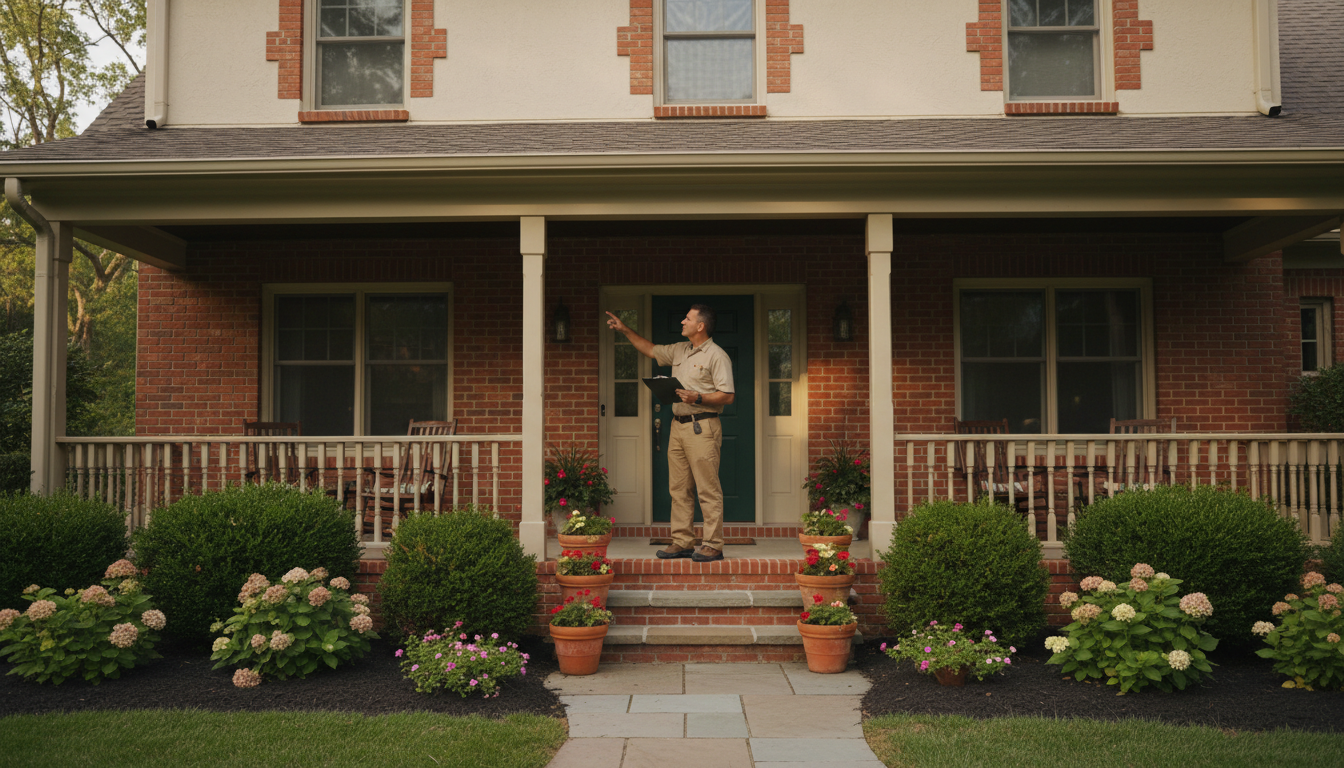
A home watch service provides scheduled, in-person inspections of unoccupied properties to ensure they remain secure and properly maintained while the owner is away. Homeowners in Hamilton County should consider this service to prevent costly issues like water damage or pest infestations during seasonal absences or extended travel. These professionals act as your local eyes and ears; they coordinate necessary repairs and provide peace of mind for your property investment.
You locked the door, set the alarm, and handed a spare key to a neighbor with good intentions but a busy schedule. Now you are three weeks into your trip, and a nagging question keeps surfacing: is everything actually okay back home? For Hamilton County homeowners who spend extended time away, that uncertainty is not just inconvenient; it is a real financial and emotional risk. A single undetected water leak, an HVAC failure during a cold snap, or a storm-damaged entry point can turn a manageable situation into a costly disaster. A professional home watch service exists to close that gap with trained eyes, documented inspections, and a clear chain of accountability. In this article, you will learn exactly what home watch includes, who benefits most from it in Hamilton County, and how to decide whether it belongs in your plan for protecting your property.
What Is a Home Watch Service?
A home watch service is exactly what it sounds like, with one important distinction most homeowners miss: it is not a security system or remote monitoring technology. It is a scheduled, in-person visit to your unoccupied or vacant home by a trained professional who physically walks the property, observes interior and exterior conditions, and documents what was found.
The National Home Watch Association (NHWA), the industry's leading credentialing body since 2009, defines home watch as "a visual inspection of a home or property, looking for obvious issues." That word "visual" is deliberate. A home watch professional is not a contractor or an alarm technician. They are a trained set of eyes who can recognize early warning signs, such as water staining on a ceiling, a door that is no longer seated correctly, or pest activity near a foundation, before those signs become expensive problems.
This distinction matters because a security system cannot smell mildew, notice that the HVAC has stopped running, or spot that a gutter has pulled away from the roofline after a storm. A professional home watch visit catches what technology cannot.
Hamilton County Home Watch provides these inspections throughout Hamilton County, Indiana, serving homeowners in Fishers, Noblesville, Carmel, Westfield, and surrounding communities. Learn more about Hamilton County Home Watch and how the service is structured to fit your property's specific needs.
What Does a Home Watch Inspection Actually Include?

Knowing that a home watch professional physically visits your property is reassuring. Understanding exactly what they do once they arrive is what turns reassurance into confidence.
Think of each visit as a structured walk-through with a trained eye, not a casual glance around the entryway. The inspection begins outside before the front door is ever unlocked. The exterior review covers the roof and gutters for signs of wind damage or separation, all entry points including doors and windows for proper seating and security, the foundation perimeter for pest activity or moisture intrusion, and the overall condition of the landscaping. Mail accumulation, packages left on the porch, and any debris from recent weather are addressed immediately, since a full mailbox or storm-scattered yard signals vacancy as clearly as a handwritten sign.
Once inside, the inspection becomes more technical. The HVAC system is checked to confirm it is operating and holding the correct set temperature. Humidity levels are observed, because uncontrolled moisture in an Indiana summer or a sealed-up winter home can trigger mold growth within days. Every accessible area is scanned for water staining, soft flooring, or drip evidence that could indicate a slow leak developing behind walls or under fixtures. Circuit breakers are checked, smoke and carbon monoxide detectors are tested, and appliance status is noted, particularly refrigerators, water heaters, and sump pumps, which can fail quietly and cause disproportionate damage when no one is watching.
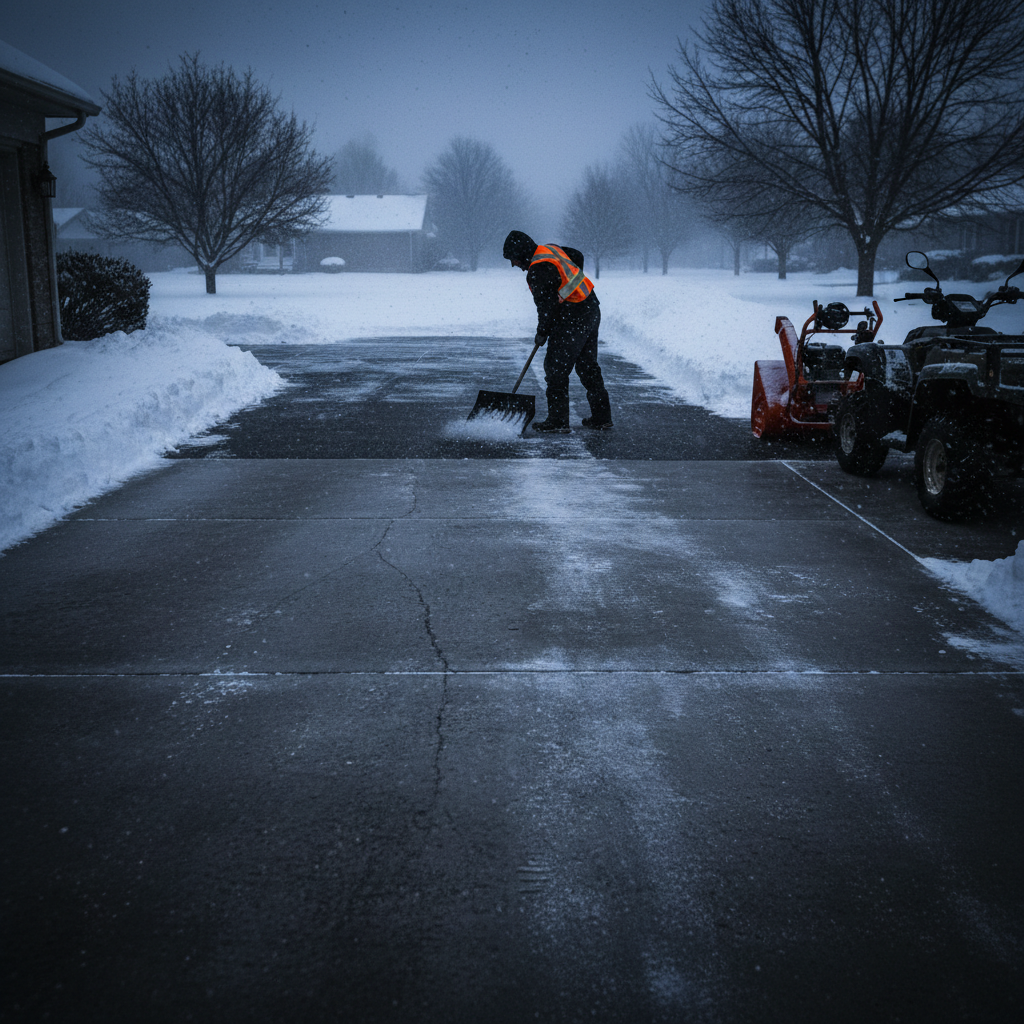
What separates a thorough home watch inspection from a basic walk-through is what happens when something needs attention. Hamilton County Home Watch does not simply log a concern and move on. The service includes maintenance oversight and vendor coordination, meaning if a problem is found, the right people can be contacted and access can be managed on your behalf. Beyond the inspection itself, home watch and concierge services extend to vehicle checks, snow removal, and home opening or closing tasks, covering the full picture of an unoccupied property rather than just its four walls.
Who Needs a Home Watch Service in Hamilton County?
The inspection process described above addresses how a home watch service works. The more personal question for most homeowners is whether they specifically need one.
The clearest answer starts with snowbirds. Each fall, a significant number of Hamilton County residents close up their homes in Fishers, Carmel, and Noblesville and head south to Florida or Arizona for the winter. From November through April, those properties face Indiana's freeze-thaw cycles, ice dams along rooflines, and the ever-present risk of a pipe that freezes quietly overnight and bursts without anyone nearby to notice. A home sitting vacant through an Indiana winter without regular eyes on it is not a question of whether something might go wrong; it is a question of how quickly a small problem becomes a costly one.
Frequent travelers and business professionals face a compressed version of the same risk. A two-week work trip is long enough for a slow sump pump failure or a refrigerator leak to do serious damage before anyone realizes the home has a problem.
Property investors managing vacant rentals between tenants also benefit considerably. An unoccupied rental carries real liability exposure and deteriorates faster without routine oversight. Similarly, homeowners managing an active renovation need someone to verify contractor access and confirm work is progressing as agreed.
Finally, families navigating an inherited property during the estate process often find themselves responsible for a home hours away, sometimes across state lines, with no practical way to monitor it themselves. In a fast-growing county where new construction and second properties are common, that situation is more frequent than most people expect.
Home Watch vs. House Sitting: What Is the Real Difference?
The situations described above, snowbirds leaving for months, investors managing vacant rentals, families overseeing an inherited property, often prompt the same informal question: can a friend, neighbor, or house sitter handle this instead?
The honest answer is that those arrangements solve a different problem than the one you actually have.
A house sitter lives in your home while you are gone. That introduces its own category of concerns: wear and tear on the property, liability if the sitter is injured, and a trust dynamic that is difficult to formalize. Most house sitting arrangements are informal, undocumented, and uninsured. If something goes wrong, the accountability is murky at best.
A neighbor checking in regularly is a kind gesture, not a professional service. Neighbors are not trained to recognize the early signs of a sump pump struggling before it fails, or to distinguish normal settling sounds from a water leak developing inside a wall. They have no documentation protocol, no insurance, and no professional obligation to report what they observe accurately or completely.
A home watch professional operates in an entirely different framework. Hamilton County Home Watch is insured, and every visit produces a documented report delivered to the homeowner. That means there is a formal record of your property's condition at each inspection, a clear line of accountability if something is missed, and a trained eye that knows what to look for rather than simply confirming the house is still standing. That professional structure is what separates a scheduled inspection service from any informal alternative.
What Happens After Each Home Watch Visit?

That professional structure raises a natural follow-up question: once the visit is done, how do you actually know what happened?
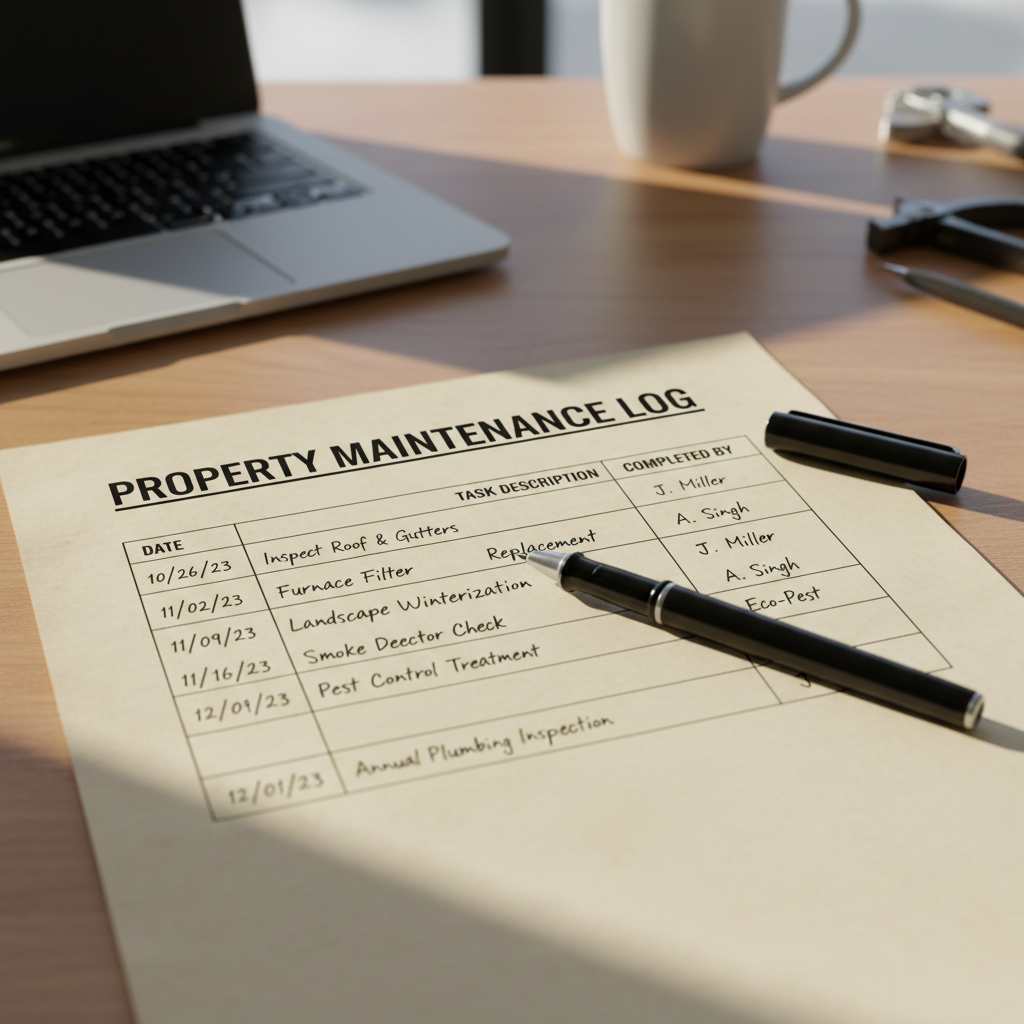
After every inspection, Hamilton County Home Watch delivers a detailed report documenting the condition of your property at that specific point in time. If everything looks normal, you receive confirmation of that. If something is off, such as water staining that was not present on the previous visit or storm debris that has shifted against a foundation vent, the report includes photos and you are contacted immediately rather than waiting until the next scheduled visit.
That immediate contact matters because a problem caught on a Tuesday can be routed to a local vendor by Wednesday. Hamilton County Home Watch can coordinate access and follow-up on your behalf, so you are not trying to manage a plumber or roofer remotely from another state.
Over time, those individual reports build into something more valuable than any single inspection: a documented record of your home's condition. That record carries real weight with insurance carriers. A homeowner who can demonstrate consistent, professional oversight has a meaningfully stronger position when filing a claim than one who cannot account for the gap between when they left and when damage was discovered.
How Much Does a Home Watch Service Cost in Indiana?
That documented record, and the prevention it represents, leads to the practical question most homeowners eventually ask: what does this actually cost?
Home watch pricing is not one-size-fits-all, and that is a reasonable thing. Several variables shape what a homeowner pays. Visit frequency is the most significant: weekly inspections carry a different cost than bi-weekly or monthly visits, and the right cadence depends on your property's risk profile. An Indiana home left vacant through February warrants more frequent eyes than a short summer trip. Property size matters as well, since a larger home with a finished basement, multiple outbuildings, or a detached garage takes longer to inspect properly. Additional concierge services, such as vehicle maintenance checks, snow removal coordination, or handling a home opening after a long absence, are typically priced separately from the base inspection. Distance from the provider's operating area can also factor in.
Most providers structure pricing either per visit or through bundled monthly plans. Neither format is inherently better; it depends on your schedule and how long your property will sit unoccupied.
The more useful frame for evaluating cost is what you are actually buying against. A single burst pipe that goes undetected for two weeks in a vacant home routinely produces damage well into five figures. An insurance claim denied because no documented oversight existed can cost far more. One year of consistent home watch visits is modest by comparison.
Contact us for a personalized quote based on your property's size, location, and how you plan to use the service throughout Hamilton County.
Is a Home Watch Service Worth It? Signs You Should Not Skip It
That cost-versus-value framing is the right place to land before asking yourself the direct question: is a home watch service actually worth it for my situation?
The honest answer depends on specifics, so consider a few concrete scenarios. A pipe bursts quietly in a Hamilton County home during a January cold snap while the owners are in Florida. No one checks the property for two weeks. By the time someone notices, water has moved through the subfloor, into the walls, and across two rooms. Restoration costs routinely reach five figures in that situation, sometimes much higher. A scheduled home watch visit two or three days after the freeze would have caught it.
Or consider a different scenario: a contractor is scheduled to finish a job before the owners return. No one verifies it. The owners arrive home to incomplete work and a dispute with no documentation to support their position. A home watch provider with vendor oversight responsibilities closes that gap entirely.
A simple self-assessment makes the decision straightforward. If your home will sit unoccupied for more than two weeks, if you are more than a few hours away, if Indiana winter weather is a factor, or if you own a second property or vacant rental, the service is almost certainly worth every dollar.
Starting is simpler than most homeowners expect. Home watch and concierge services can be structured around your specific schedule and property, with visit frequency and add-ons adjusted as your needs change. Contact us for a personalized quote to see exactly what consistent, professional oversight looks like for your Hamilton County home.
Protecting your property while you are away is about more than just checking the locks; it is about proactive maintenance and local expertise. In Hamilton County, where seasonal changes can impact your home in unexpected ways, having a reliable professional can make all the difference. If you want expert help ensuring your investment stays safe, you can learn more about our team and mission to see if our services are the right fit for your specific needs.